He casually let it slip that it now out-earns his day job. So, naturally, I twisted his arm behind his stupid back and demanded he spill his secrets for my audience.
What shook out of his pockets were a few cuss-laden truths, some empty gum wrappers, and an honest appraisal of what it takes to make a podcast or YouTube show that converts.
Meet the Master
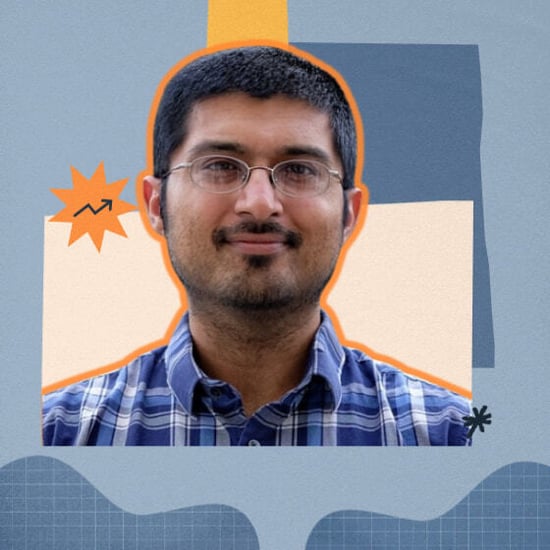
Kaz Mirza
Co-founder & co-host, Two Broke Watch Snobs
Fun fact: Kaz was one of the first 200 certified Pokémon Master Professors in the U.S. (Nerd alert!)
Lesson 1: Money is not the podcast's job.
“For a long time, the show was paid for by student loans and part of my mortgage. We weren’t truly profitable for the first seven to eight years,” Mirza confesses. “We had the hardest time figuring out what our path to monetization looked like.”
As their audience grew, Mirza and co-host Michael Penate tried sponsorships, brand collabs, and even on-air name checks. Nothing clicked.
The turning point was when they realized that making money wasn’t actually the job of the podcast.
“To this day, the show makes the least revenue for us. It’s the website,” he explains. The podcast sends listeners to the show’s website, where dynamic ads and direct advertiser selling pay the bills.
But, of course… no podcast, no site. No site, no money.
“The technical term would be ‘loss leader.’ The show doesn’t make money, but it gets people aware of the brand and onto the site. It’s also the largest source of all the great backlink opportunities we’ve had with GQ and The New York Times.”
So, before evaluating the success of your channels, ask yourself what each channel’s job really is.
Lesson 2: You have to grind.
“If there’s one universal thing I’d share, it’s that you have to grind. There is no magic bullet. You have to fight for every single eyeball on whatever it is you’re creating.”
That sounds way more hustle/grindset-bro than the Kaz I know, so I asked what this actually means in practice.
“When I say grinding, I mean day after day building your online brand. When the show started, I would spend hours on Instagram, going to other watch media outlets, seeing who liked their posts, and then going to those people’s profiles and liking and commenting on their watch posts.”
Ugh. Can’t I, like, get an AI to do that for me?
“There are tons of services now that will do that for you, but a nerd can smell a narc from a mile away,” he laughs. “Everyone’s very aware of bot activity these days.”
In other words, if your outreach smells fake, people will assume your show does, too.
Lesson 3: You have to be shitty (for a little bit).
I asked for his bottom-line, best advice for a marketer starting a podcast or YouTube show.
“I’m going to give you the most unhelpful, generic piece of advice ever.” He pauses for dramatic effect. “You just have to do it. Don’t worry about being shitty. You have to be shitty for a little bit. You just have to do it.”
Early on, the two hosts endlessly debated intros, logos, and choosing the right microphone.
“Michael and I were talking for so long about how to do a show that we weren’t doing the show. At a certain point, I just said, ‘Eff this, dude, let’s just hit record and talk.’ I recorded the first 30 episodes as a memo on my old iPhone.”
Mirza says creators often mistake polish for likeability. (Marketers do too.)
“Even now, our show is not polished, and people still listen. You can absolutely build the ship while you’re sailing it. Sometimes that’s the easiest way to learn how to build a ship.”