
Jihan Donawa Gibson gave me so much good advice on event marketing I wasn’t sure I could narrow it down for this newsletter.
So here’s a freebie: “Play, whether at school or work, is underappreciated. Connect to your event attendees on a playful level.”
Meet the Master
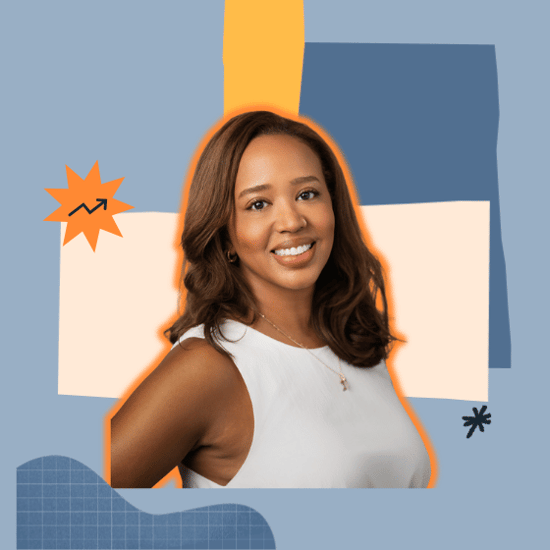
Jihan Donawa Gibson
Senior growth marketing manager, Swoogo
-
Claim to fame: Jihan plans events … for event planners. (No pressure, right?) She likes to find event swag that connects to an event’s location — like mini fans for an event in swampy New Orleans.
Lesson 1: Bigger isn’t always better.
If events haven't previously been part of your marketing strategy, building one from scratch can be overwhelming — especially if your own event experience is attending big conferences with high price tags.
But consider hosting a micro event, Gibson says. They’re typically 50 people or less, and “it’s all about that connection,” she says. “You’re not getting lost in a giant show. You can segment your audience more and tailor your content more.”
The key to a successful micro event, as with any marketing campaign, is to know your audience. “These people you’re reaching out to — your prospects, your attendees — they’re real people, too. They like the same reality shows you do. They like ping pong. So connect to them on a playful level.”
Bonus points if you can give them something they can use in their job, but this isn’t necessarily the right time to do a full pitch of your product or service.
The main goal is for your attendees to have an experience where they feel wanted and valued. “You don’t need to cut their steak for them,” Gibson jokes, “but show them that they’re appreciated and not just this job title from that company.”
Lesson 2: Time kills all deals.
You’ve hosted a great micro event. Now what?
Don’t wait another minute, Gibson says. “You want to follow up immediately after and thank them for coming to the event, maybe say something about what happened at the event.” This is where you give them something they can use — “nobody wants to be demoed over dinner,” she says.
“Maybe they mentioned, ‘Hey, I'm having trouble with XYZ,’ and you have content on that. Go ahead and send them that content, because you are helping them to imagine where they could be. You're selling a vision and a dream — not your software.”
Lesson 3: Measure, measure, measure.
Gibson recalls a LinkedIn post that said, “What doesn’t get measured doesn’t get funded.”
Even with a 25-person event, “you need some way to measure your ROI, because guess what? When budgets get cut, they’re going to look at things that have not shown an ROI.”
And ROI is a lot more than how many people show up.
Think about this in advance and make sure the workflows are seamless. If you’re handing people over to a sales team, for instance, make sure the leads get passed easily so sales can follow up in a meaningful way.
“And then you can attribute that back and say, ‘Hey, look how much this event did. We should do this in X cities or we should run a bigger event.’”
Make sure your event has a singular goal, and decide in advance — “what data are we collecting during registration? What influence could this event have? Could a new pipeline be attributed to this event?” One simple thing you can do is to add a unique UTM code to any content you share post-event, so you can track engagement.
And measure, measure, measure.


![The Tiny Layout Tweak That Led to 20% More Conversions [Test Results]](https://marketingagainstthegrain.com/hubfs/rebecca-hinton-matg-blog.webp)


![Stop wasting homepage traffic [3 big mistakes backed by 10+ years of data]](https://marketingagainstthegrain.com/hubfs/angela-gomez-matg-blog.webp)


