Which is what Ramp, the fintech company, is doing this evening.
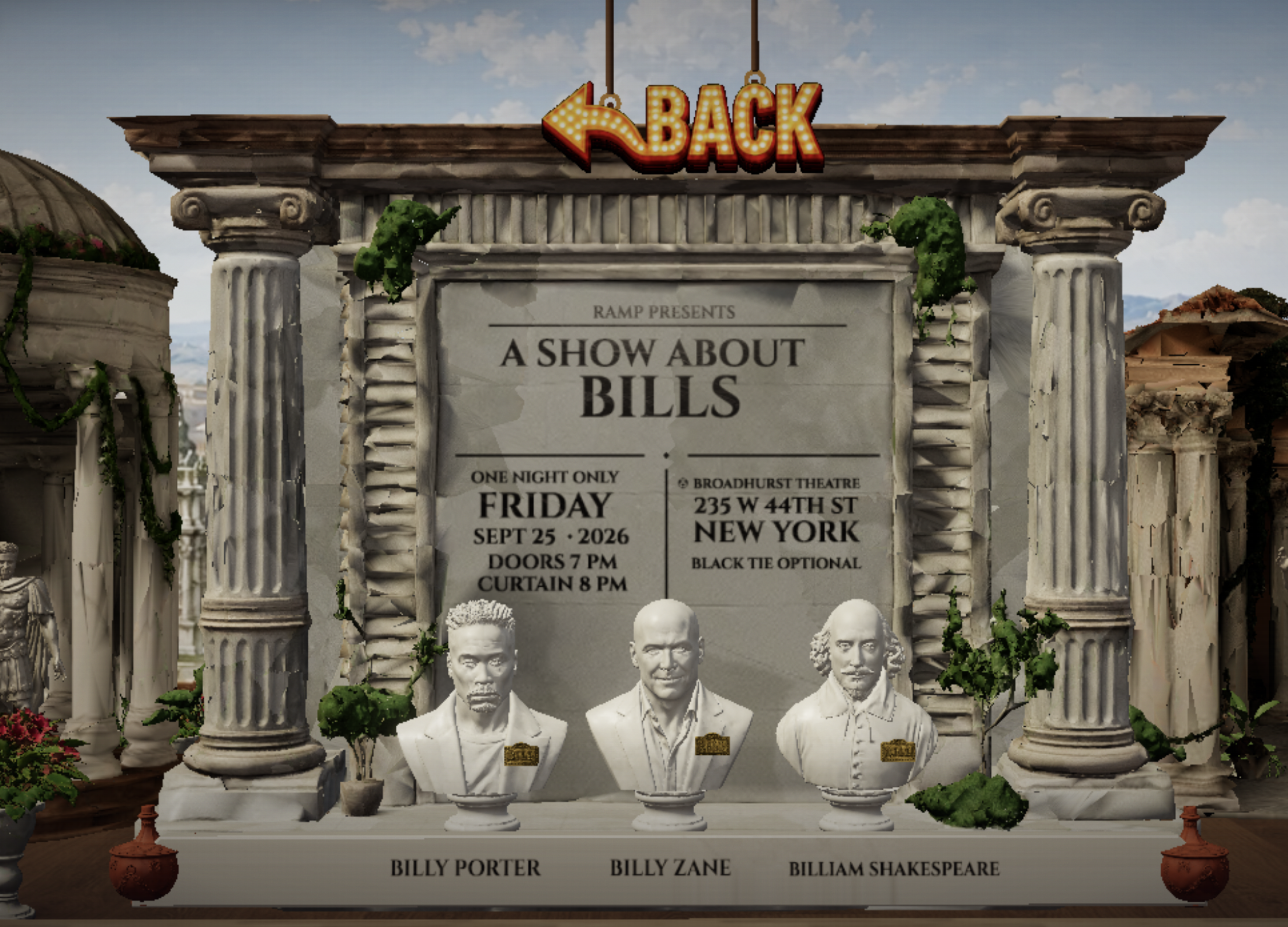
Ramp has taken over Broadway’s Broadhurst Theatre for a one-night-only production of Bill Pay The Musical, a wholly original musical promoting its bill-pay software.
And they’re going full-out here: There will be original songs, choreography, an actual Broadway crew, and again, Billy Zane and an actual Tony winner in Billy Porter.
There will also be a character named Rampa? Sure.
This is all objectively an insane (and presumably super expensive) way to advertise software that helps companies pay invoices.
Which is precisely why it’s so, so good.
Marketers are great at being sensible.
We have to be; we’re measured on it. So we A/B test subject lines, optimize landing pages, slice audiences into increasingly microscopic segments, calculate whatever the acronym du jour is, and debate whether the button should say “Get started” or “Learn more.”
But Ramp’s got a different thing going. Mind you, they already had a well-earned reputation for stunt marketing before they started printing playbills (see also: the tongue-in-cheek funeral for the penny they hosted at the Lincoln Memorial, or the 8-hour livestream of The Office’s Brian Baumgartner processing receipts in a transparent box in the middle of Manhattan).
Ramp’s marketers clearly felt empowered to walk into a meeting and say, "What if the villain from Titanic sang about invoices?"
And that’s most refreshing.
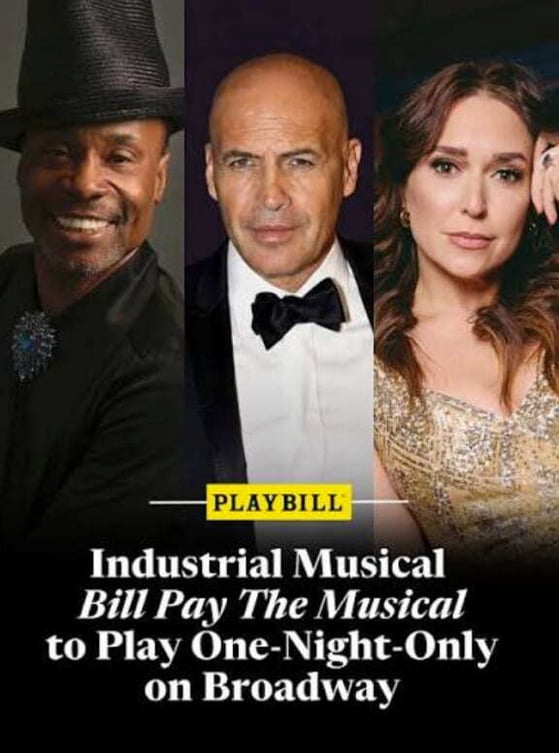
Ramp is actually not even innovating here.
Kinda the opposite. They are reviving the old tradition of the “industrial musical,” when companies in the 1950s and ’60s staged lavish productions about things like cars, appliances, and soda. Ramp co-founder Eric Glyman’s explanation for bringing them back is basically that somewhere along the way, companies “lost our nerve.”
He has a point.
Obviously, the lesson here is not that your plumbing company needs to book the Sydney Opera House. Most businesses cannot afford this kind of glitz and glam.
Stunts do not translate to guaranteed ROI; we will not be pitching our bosses CRM on Ice.
But Ramp’s central idea scales down surprisingly well: What would you make if your primary objective was getting people to say, “Wait, they did WHAT?”
There are three actionable things to consider in the wake of Bill Pay The Musical:
- Budget for one unreasonable idea. Set aside a little money, time, and organizational patience each year for something that doesn’t fit neatly into the normal marketing calendar. Your version of the Broadway musical might be a $5k stunt. The point is giving a little space for lunacy.
- Take the joke way too seriously. Skittles did a live musical not too long ago — with Michael C. Hall in 2019 — but theirs was really just a 30-minute commercial. They did not go all out. They did not rent a Broadway theater. Ramp’s commitment is the joke — and what makes the whole thing worthwhile. If you find a strange idea with legs, resist the urge to mush it down into something safer.
- Optimize for the retelling. Before asking how many impressions an idea might generate, ask whether anyone who encounters it will tell somebody else about it. “They made a Broadway musical about bill pay” passes that test in eight words. Your version should too.
Again, let’s be clear: You definitely should not make a Broadway musical. But every once in a while, leave space for an idea that feels similarly absurd.